We respect your privacy


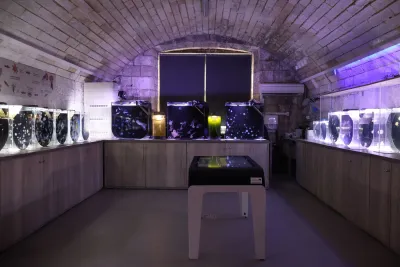







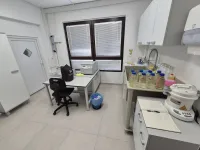
We have moved to Riva 12, increasing our laboratory space from 40 to 120 square metres and expanding the range of research we can conduct.
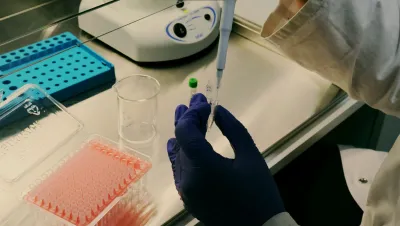
The laboratory is organised into seven functional areas: sample reception and processing, DNA extraction, bacteriology, PCR preparation, post-PCR processing, sample storage, and data analysis. Separate rooms significantly reduce the risk of cross-contamination and improve biosafety.
Our new equipment also enables us to work with RNA molecules. RNA is more sensitive and degrades more quickly than DNA, requiring strict temperature control and specialised working conditions. In return, it reveals something DNA cannot: which genes in an organism are active at a given moment and how the organism responds to stress, disease, or environmental changes.
This opens up opportunities for more advanced research into the health of marine organisms and ecosystems, from monitoring pathogens and their hosts to assessing species resilience. We will apply these methods primarily to the conservation and restoration of endangered populations.