 We respect your privacy









Biosecurity and Genetics
Biosecurity
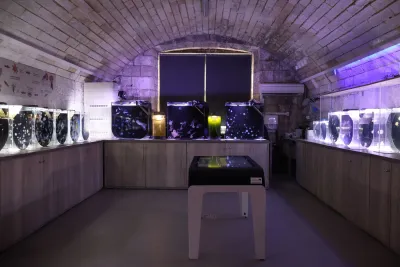
Biosecurity in an aquarium is extremely important in order to prevent the introduction and spread of pathogens, foreign species, or genetically undesirable populations. In this way, local species and the balance of the ecosystem are preserved. Special attention is given to water quality control, wastewater treatment, quarantine procedures, and monitoring the health status of organisms, especially during the exchange of individuals between aquariums. By treating wastewater, further environmental pollution is prevented. Wastewater passes through mechanical filters and is then additionally treated chemically with ozone and UV radiation.
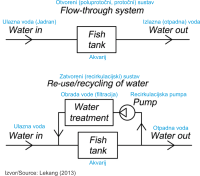
Within aquarium systems, the mode of water flow also differs depending on the origin of the organisms. Exotic species are kept in a closed circulation system to prevent their possible spread into the environment. In contrast, Mediterranean jellyfish representatives are kept in an open-flow system, where seawater from a natural source is used under strict quality control.
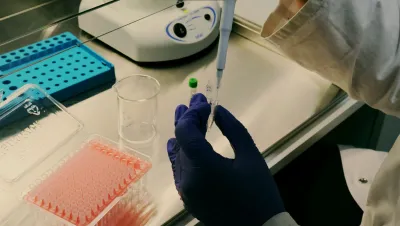
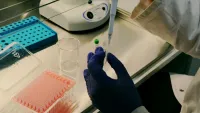
Currently, in cooperation with other aquariums, we are conducting genetic analyses to identify the exact species within the genus Aurelia (moon jellyfish). As part of our internal project, partner institutions send us jellyfish tissue samples according to a predefined protocol. In the molecular laboratory, we isolate DNA and perform genetic analyses that allow reliable species identification before the individuals are introduced into aquarium systems with open circulation.
It is also extremely important to control the water in which jellyfish are transported during exchanges between aquariums, in order to prevent the transfer of potentially harmful microorganisms or other unwanted organisms.
Genetics
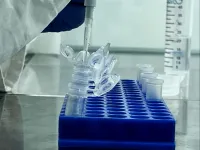
In our molecular laboratory, we conduct genetic analyses aimed at the precise identification of individual jellyfish species, currently focusing exclusively on different species within the genus Aurelia. Today, the genus Aurelia includes around 25–30 described species, depending on the source and the latest taxonomic revisions.
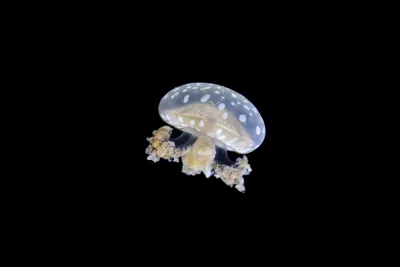
For a long time, it was believed that there was only one widely distributed species — Aurelia aurita — but molecular research has shown that it actually represents several cryptic species that are morphologically very similar. Particularly interesting is the species Aurelia relicta, which is endemic to the Adriatic Sea and was discovered in a marine lake on the island of Mljet.
Buy tickets for Aquarium Pula, quickly and easily