We respect your privacy


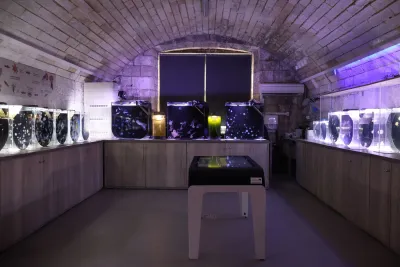

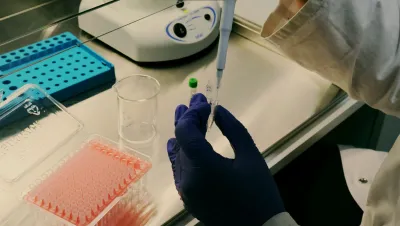


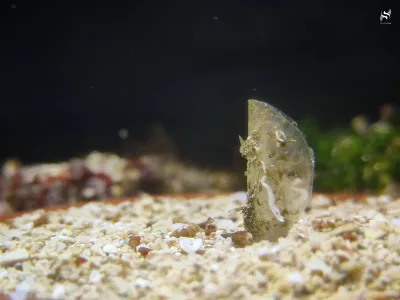




These days, as in previous years, we returned to the sea squid larvae (Loligo vulgaris) that successfully hatched in our aquarium last week. Squid eggs look like transparent-white, elongated capsules connected in dense grape-like clusters. In nature, squids attach them to various solid substrates such as stones, algae, sponges, corals and other underwater structures that enable constant circulation of the sea and a sufficient amount of oxygen necessary for development. However, the eggs are often attached to fishing nets and other fishing tools.
For this reason, we especially thank the fishermen who inform us of their locations and bring squid eggs found as bycatch on their tools, instead of returning them to the sea where, if they sink to the seabed without adequate water circulation, they usually perish. After collection, the eggs are incubated under controlled conditions for approximately three weeks, until the young squid hatch.
Since squid are perfectly adapted to life in the open sea, they are extremely sensitive and demanding to keep in aquarium conditions. They need extremely clean and stable seawater, a high concentration of dissolved oxygen and specially designed pools without sharp edges, in order to avoid injuries during movement. They feed on live prey and have a very fast metabolism, which means that they require frequent and carefully adapted nutrition. Precisely because of these specific conditions, keeping them in aquariums is a big challenge, so the goal of this activity is to enable them to stay as short as possible in controlled conditions for safe early development and as safe and quick return to the natural environment as possible. In this way, we contribute to the preservation of the squid population and the biodiversity of the Adriatic Sea.