We respect your privacy


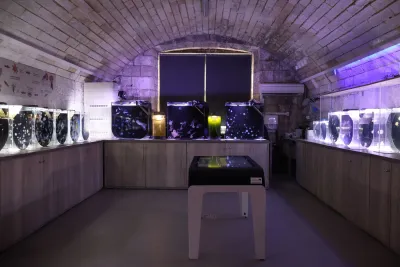

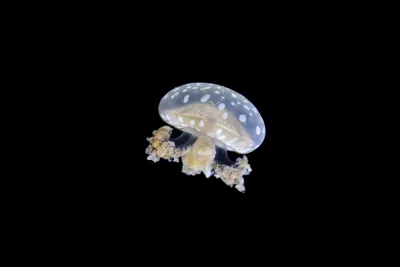


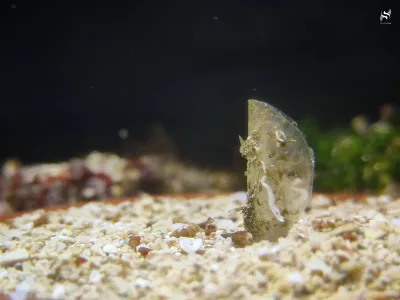



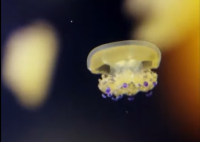
Strobilation is the process by which young jellyfish, or ephyra, are separated from the polyp, the asexual developmental stage of the lobe, representing the sexual generation of the lobe. The oldest ephyra in the aquarium are about a month old, their cap diameter is several centimeters and they already have characteristic purple lobes, while the youngest are only a week old and only a few millimeters in size.
In nature, strobilation occurs from May to August, and we are especially pleased that in our breeding, it began spontaneously, without changes in water temperature or salinity, after a long period during which we maintained the polyps. The ephyra successfully feed on rotifers and brine shrimp and develop properly. In addition to appropriate nutrition, this species needs to be provided with enough light so that zooxanthellae, microalgae that live in the tissue of the jellyfish, can carry out photosynthesis. In doing so, they produce nutrients that are used by both algae and jellyfish, and this form of coexistence is called endosymbiosis.
Adult jellyfish reach a diameter of about 35 cm and are most often found in nature from July to November. Due to their characteristic appearance, they are also known as "sunny side up egg". Their venom is not dangerous to humans, and they play an important role in the marine ecosystem, providing shelter for young fish and other marine organisms during the early stages of their development.