We respect your privacy





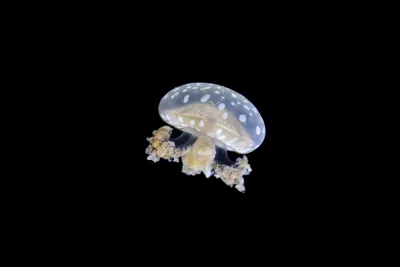


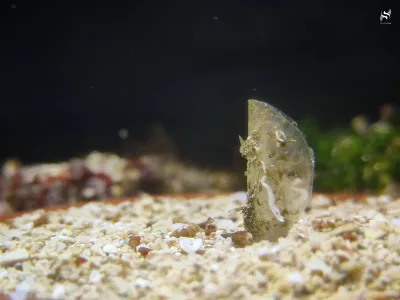




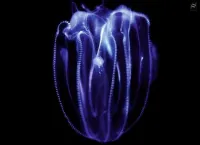
Over the past two weeks, we have encountered numerous sea walnuts (Mnemiopsis leidyi) in our waters. This transparent comb jelly originates from the eastern coast of North America and has been known for decades as one of the world’s most successful invasive marine species. It was first recorded in the northern Adriatic in 2005, and we now know that it has established stable populations and successfully reproduces here.
Recent scientific research has brought some interesting new findings. Studies have shown that the sea walnut feeds not only on zooplankton but can also significantly affect populations of commercially important shellfish by feeding on their larvae. At the same time, research suggests that climate change and increasingly frequent periods of low oxygen concentrations in the sea may favour its survival, as natural predators are less effective at controlling its populations under such conditions.
Perhaps most interestingly, however, the scientific perspective on this species is beginning to change. Rather than viewing it solely as a harmful invasive species, researchers are increasingly exploring its potential as a source of valuable bioactive compounds. Antimicrobial peptides, proteins associated with bioluminescence and other molecules have been discovered in its tissues, some of which could one day find applications in biotechnology and medicine.
Due to its ancient evolutionary history, the sea walnut has also become an important model organism for studying animal development and the evolution of the nervous system. Improved methods for breeding it under laboratory conditions have recently been developed, enabling more extensive research into this fascinating group of animals.
Nature repeatedly reminds us that things are rarely black and white. Organisms we consider a threat or a problem today could one day become the key to new scientific discoveries and valuable biotechnological innovations. This is why it is important to study and understand even those inhabitants of the sea that may, at first glance, seem far from desirable.