We respect your privacy



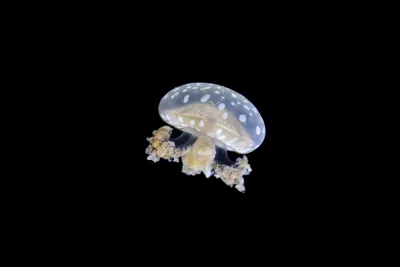





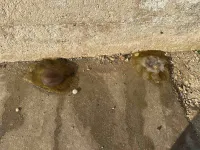
It is the time of year when large numbers of Mediterranean jellyfish (Cotylorhiza tuberculata) appear in the sea, and in recent days we have received numerous questions and reports about people removing them from the water and leaving them on beaches. We would therefore like to emphasize that, although they are not a protected species, Mediterranean jellyfish should not be disturbed or removed from the sea.
This species is not dangerous to humans. Most swimmers will not experience any reaction, while in more sensitive individuals contact may cause only a mild stinging sensation. By removing them from the sea, we are removing adult individuals that are currently reproducing and releasing reproductive cells into the water, thereby beginning a new life cycle. Their removal can therefore affect the natural renewal of the population.
Moreover, the body of these jellyfish is actually like a small ecosystem. Their tissues contain microalgae known as zooxanthellae, which produce a large proportion of the nutrients needed by the jellyfish through photosynthesis, while also absorbing carbon dioxide and producing oxygen. At the same time, juveniles of numerous fish species find shelter beneath their bells and among their oral arms, including Atlantic horse mackerel (Trachurus trachurus), greater amberjack (Seriola dumerili) and bogue (Boops boops).
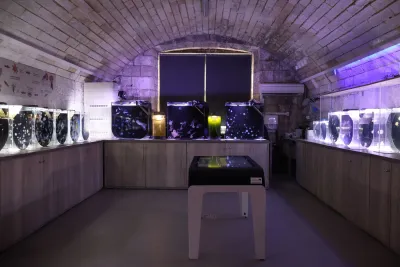
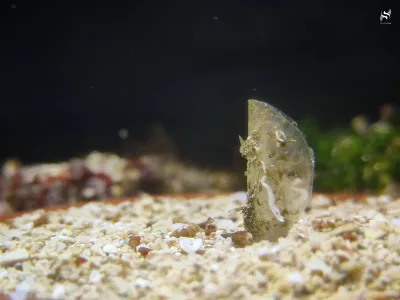
At Aquarium Pula, you can observe the life cycle of this fascinating species throughout the year – from the polyp, the asexual generation attached to a substrate, to adult jellyfish that we have successfully bred ourselves.