We respect your privacy








Project number: LIFE24-NAT-ES-PINNACARE/101216239
Project duration: 1 October 2025 – 30 November 2029
Total budget: €3,926,002
Total EU co-financing: €2,355,601
Coordinating beneficiary:
Valencia Catholic University Saint Vincent Martyr (Spain)
Partners:
University of Zadar (Croatia), Aquarium Pula d.o.o. (Croatia), Ludwig-Maximilians-Universität München (Ludwig Maximilian University of Munich) (Germany), Institut de Recerca i Tecnologia Agroalimentàries (IRTA) (Institute of Agrifood Research and Technology) (Spain), University of Alicante (Spain), University of Murcia (Spain), Agencia Estatal Consejo Superior de Investigaciones Científicas (CSIC) (Spanish National Research Council) (Spain), Fundación Universidad Católica de Valencia San Vicente Mártir (Catholic University of Valencia Saint Vincent Martyr Foundation) (Spain), Institut Océanographique Paul Ricard (Paul Ricard Oceanographic Institute) (France), University of the Aegean (Greece), Università degli Studi di Napoli Federico II (University of Naples Federico II) (Italy)
Project description:
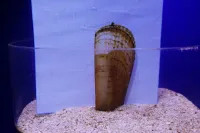
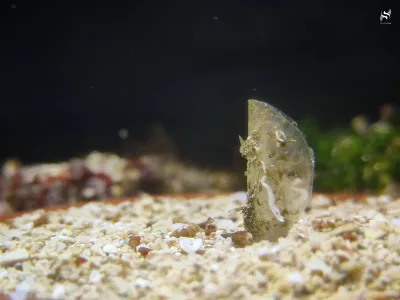
Populations of the Mediterranean endemic bivalve species, the noble pen shell (Pinna nobilis), have been devastated by a mass mortality event that began in late 2016 in the western Mediterranean Sea and is associated with infection by the parasite Haplosporidium pinnae.
More information on the mass mortality event: https://aquarium.hr/hr/epidemi...
Today, the only surviving populations are found in coastal lagoons and deltas, with several thousand individuals in the Ebro River Delta (Spain), the Thau Lagoon (France), the Venice Lagoon (Italy), and the Gulfs of Kaloni and Amvrakikos (Greece). Only a few hundred individuals remain in Mar Menor (Spain), the Diana Lagoon (France), and other coastal lagoons, as well as in the Sea of Marmara (Turkey). These areas are crucial for the survival of the species, as they serve as reservoirs of individuals that can be used for repopulation purposes and experimental research.
Since 2016, European scientists have made significant progress in the recovery of P. nobilis by developing clear strategies to guide new conservation actions, which, among other factors, require strong international cooperation to be successful. The LIFE PINNACARE Project has brought together universities and conservation centers from Spain, France, Germany, Italy, Greece, and Croatia, connecting leading experts working on pen shell conservation with the aim of preventing the long-term extinction of the noble pen shell. The project will be implemented across 32 sites within the Natura 2000 ecological network, with targeted measures for the conservation of the species and its habitat.
The main project activities focus on:
-
Captive breeding and the production of a new stock of individuals to be used for repopulation and research, taking into account the genetic variability of the species.
-
The application of new disease treatments to individuals kept in controlled conditions in order to improve their reproductive capacity.
-
The development of management protocols applicable to the translocation of threatened marine invertebrates, aimed at reducing impacts during the international repopulation of P. nobilis.
-
The investigation of new potential reservoirs, as well as environmental improvement and monitoring of existing reservoirs.
-
Monitoring of juvenile and resistant individuals identified during previous and current projects.
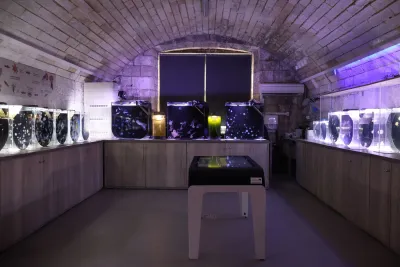
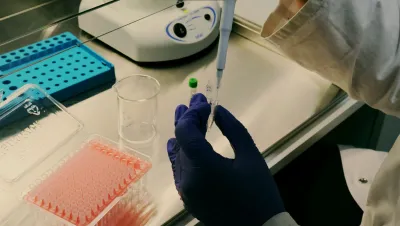
The main activity of Aquarium Pula focuses on the captive breeding of the noble pen shell (Pinna nobilis) under controlled conditions, with the aim of producing individuals intended for the repopulation of natural habitats and for scientific research. In addition, in cooperation with other partner institutions, the molecular laboratory will participate in all other research activities of the project, including analyses related to health status, individual resistance, and population monitoring.
The implementation of the project by the Croatian partners is co-financed by the Environmental Protection and Energy Efficiency Fund.