We respect your privacy


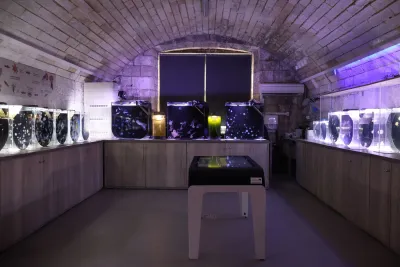

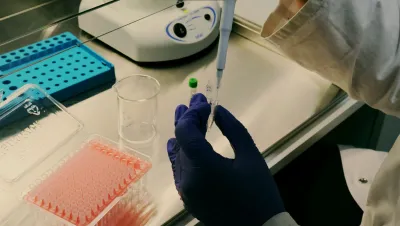
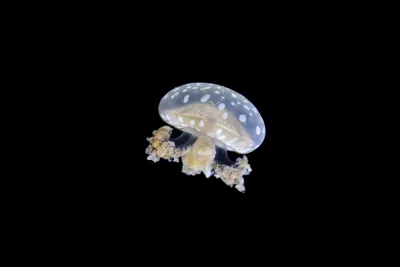


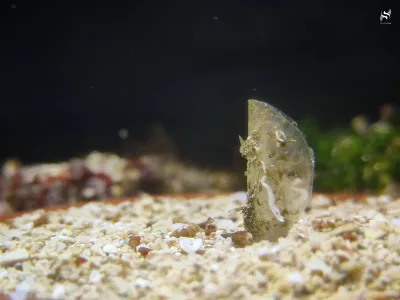



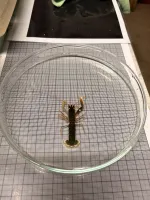
The juvenile lobster (Homarus gammarus), hatched on November 30, 2025 in our aquarium, is now 296 days old (about 9.5 months) and is growing successfully and molting regularly. With the last molt, on July 3, its left claws, which it had previously lost, were completely restored, and it grew to 6.2 cm in total body length (measured from the tail to the tip of the cephalothorax, without claws) and 2.5 cm in cephalothorax length. The lobster's development so far has included three planktonic larval stages, after which in December 2025 it transitioned to the benthic stage, i.e. the stage in which the larva settles on the bottom. With the molt in January 2026, it became a juvenile and has been growing continuously since then. Due to the extreme sensitivity of all developmental stages, breeding lobsters is a great challenge. For example, larvae have very specific nutritional requirements, and we believe that one of the key factors in our success was feeding the larvae ad libitum, i.e. ensuring continuous availability of food. During larval development, the fry were fed with newly hatched Artemia salina larvae, supplemented with frozen food and phytoplankton. Other species were gradually introduced into the juvenile's diet, such as frozen pieces of squid, cuttlefish, krill and other organisms, supplemented with vitamins and minerals. Improving the method of rearing the fry is important for the protection of the species, the development of knowledge about its biology and aquaculture, and the preservation of natural populations of this economically valuable species.
You can follow the development of our sculpin so far at the following links:
Eggs and 2DPH (2 days post hatch) larvae: https://www.facebook.com/reel/...
Transition from planktonic to benthic (bottom-dwelling) lifestyle: https://www.facebook.com/reel/...
Transition from larva to juvenile stage: https://www.facebook.com/reel/...