We respect your privacy








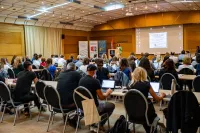
From 1 to 4 October, we participated in the 7th International Scientific and Professional Conference “Climate Change and Conservation of Adriatic Sea Ecosystems”, organised by Aquarium Pula, the Marine Education Centre Pula, the Department of Ecology, Agronomy and Aquaculture at the University of Zadar, and the Ruđer Bošković Institute. The conference was held in the congress hall of Hotel Neptun in Brijuni National Park, this year’s conference partner.
More than 100 experts and scientists participated in the conference, with 44 oral presentations and 26 poster presentations covering climate change, biodiversity, ecosystem conservation, and the resilience of coastal areas.
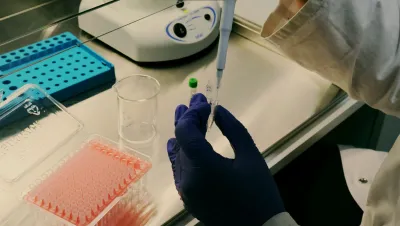
Our laboratory was represented by Dr Željko Pavlinec, who presented research on seasonal changes in microbial communities in the water and sediment of the protected Palud wetland habitat.
The conference was opened by the organisers, together with Sanja Cinkopan Korotaj, Director of the Pula Tourist Board; Bruno Kostelić, Head of the Nature and Environmental Protection Section of Istria County; Mladen Ćoza, Acting Director of Brijuni National Park; and Dr Aljoša Duplić, Director of the Institute for Environmental and Nature Protection at the Ministry of Environmental Protection and Green Transition. Dr Duplić pointed out that since the 1980s, marine heatwaves – extended periods of extremely high sea temperatures – have occurred three times more frequently in the Mediterranean, while their duration has increased by as much as 50%.
Particular emphasis was placed on the role of marine protected areas (MPAs) in adapting to climate change. Plenary speaker Saul Ciriaco from the Miramare Marine Protected Area highlighted their importance for research, long-term ecosystem monitoring, and education. As an example, he presented a Mediterranean coral reef restoration project in which more resilient colonies are selected and their growth and survival monitored. In this way, MPAs are becoming a form of “open-air laboratory” for climate change adaptation.
In the second plenary lecture, Dr Aljoša Duplić presented the EU Nature Restoration Regulation and the draft National Nature Restoration Plan of the Republic of Croatia. The Regulation marks a shift from focusing primarily on conserving existing habitats towards the active restoration of degraded habitats, with the aim of increasing biodiversity, ecosystem resilience, and benefits for people.
Among the conference conclusions, particular emphasis was placed on the importance of timely sharing of research data, monitoring diseases in marine organisms, improving the preparedness of coastal cities, strengthening links between science and professional practice, and developing ocean literacy. Important initiatives highlighted included the development of a national platform for monitoring climate data and assessing risks, as well as the European Blue Education Framework, aimed at strengthening the inclusion of marine topics in educational programmes.
The presentations are available in the Book of Abstracts (https://adria-climate.hr/.../09/Knjiga-sazetaka-2026.-1.pdf), and the Conference Conclusions will also be published soon.
We would like to sincerely thank all participants and members of the Organising and Scientific Committees for the successful conference, as well as this year’s partner, Brijuni National Park Public Institution, for its hospitality and organisation of the field trip.
Special thanks go to our Ela Pahor for her significant contribution to the organisation and implementation of the conference.
We look forward to continuing our cooperation, further developing the conference, and strengthening its significance.
Photographs by Nataša Sundara.