We respect your privacy


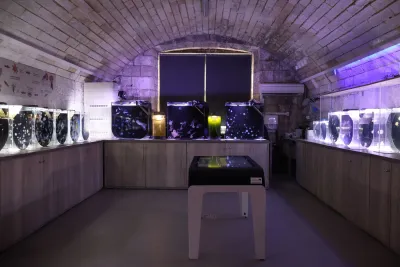







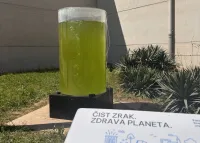
Today, 22.04.2026, on Earth Day, we celebrate the completion of the first phase of our urban photo-bioreactor construction project, developed in collaboration with our partner Calucem d.o.o. During 2025, we successfully tested and developed a prototype at two locations; within the Calucem industrial facility and at the Pula Aquarium location.
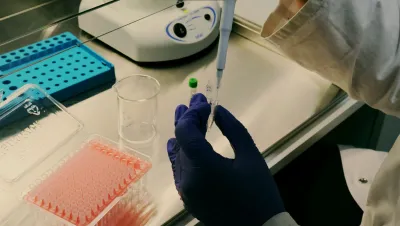
The initial system consisted of two cylindrical pools with a volume of 300 liters, filled with seawater with a culture of the microalgae species Nannochloropsis oculata. Using automatic data loggers (HOBO MX pH and Temperature Logger – MX2501), temperature, pH value and oxidation-reduction potential were recorded every hour, while phytoplankton biomass was monitored using laboratory cell counters.
The results of the first phase confirm the sustainability and stability of the system in different environmental conditions. In both tested environments, active growth of microalgae was recorded, with the culture adapting to industrial conditions, despite challenges such as the presence of suspended particles. Stabilization of the pH value was observed, indicating continuous metabolic activity of the microalgae. Also, a circular "zero-waste" principle was applied, whereby the produced microalgae biomass was used as food for filter feeders, such as bivalves and snails. Based on the results obtained, an optimized system was developed and a new 500-liter photo-bioreactor was installed, equipped with a transparent protective cover to reduce the influence of external factors while ensuring an adequate amount of light for photosynthetic processes.
In the next phase, an increase in the efficiency of CO₂ absorption, increased oxygen production and increased biomass production are expected.
Urban photo-bioreactors use microalgae to absorb CO₂, produce oxygen and improve air quality by removing nitrate and sulfur compounds in urban areas. In the long term, such systems have the potential to contribute to urban cooling and the development of wastewater treatment solutions. The project connects science, technology and environmental protection with the aim of creating more sustainable cities and preserving the Adriatic Sea.