We respect your privacy


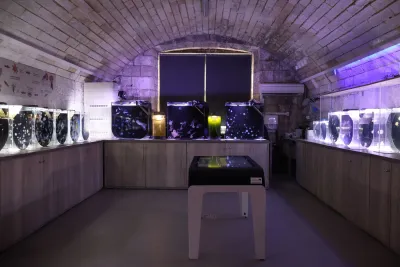

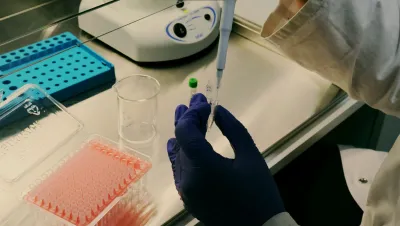
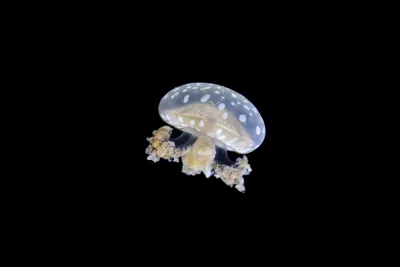


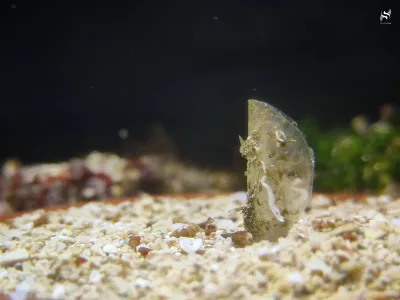
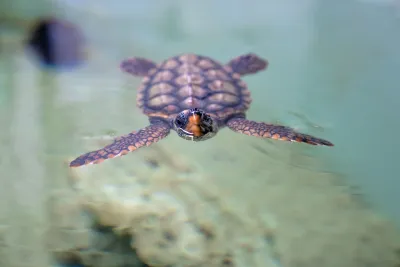




As part of this year’s aquarium theme dedicated to corals and coral reefs, we are upgrading our coral nursery. The facility will be divided between a newly relocated “behind-the-scenes” area and a designed section open to visitors, for which we are still awaiting the tanks. Next week, three tanks with a total volume of 65 m³ will also arrive for the central attraction—the tropical coral reef of the San Giovanni battery.
The cultivation that visitors will be able to observe is based on asexual reproduction of corals using the fragmentation method. This technique is applied to colonial corals, most commonly tropical reef-building corals, and among Mediterranean species to clump-forming corals, gorgonians, and red coral.
Colonies are the large structures we see in the sea and commonly refer to as “corals.” They consist of tiny, genetically identical individuals (polyps) connected by a shared skeleton, made for example of calcium carbonate or gorgonin. A fragment, usually 5–10% of the colony, is separated and fixed to a new substrate. The surface-to-volume ratio of the fragment is significantly higher than that of an adult colony, which accelerates calcium uptake from the water and growth. In this way, a new colony gradually forms, genetically identical to the parent colony.
The exhibition will highlight the importance of fragmentation as a major advance in the protection of natural reefs worldwide, which regenerate very slowly in nature. In addition to faster colony growth, this method enables the selection of more resilient species and individuals. The exhibition will also explain how corals form, regenerate, and adapt to challenges such as rising sea temperatures, ocean acidification, and pollution.
Video: facebook.com/reel/743432162140388/